
Unique Technologies and a Variety of Workstyles
- My Reasons for Choosing Nissan
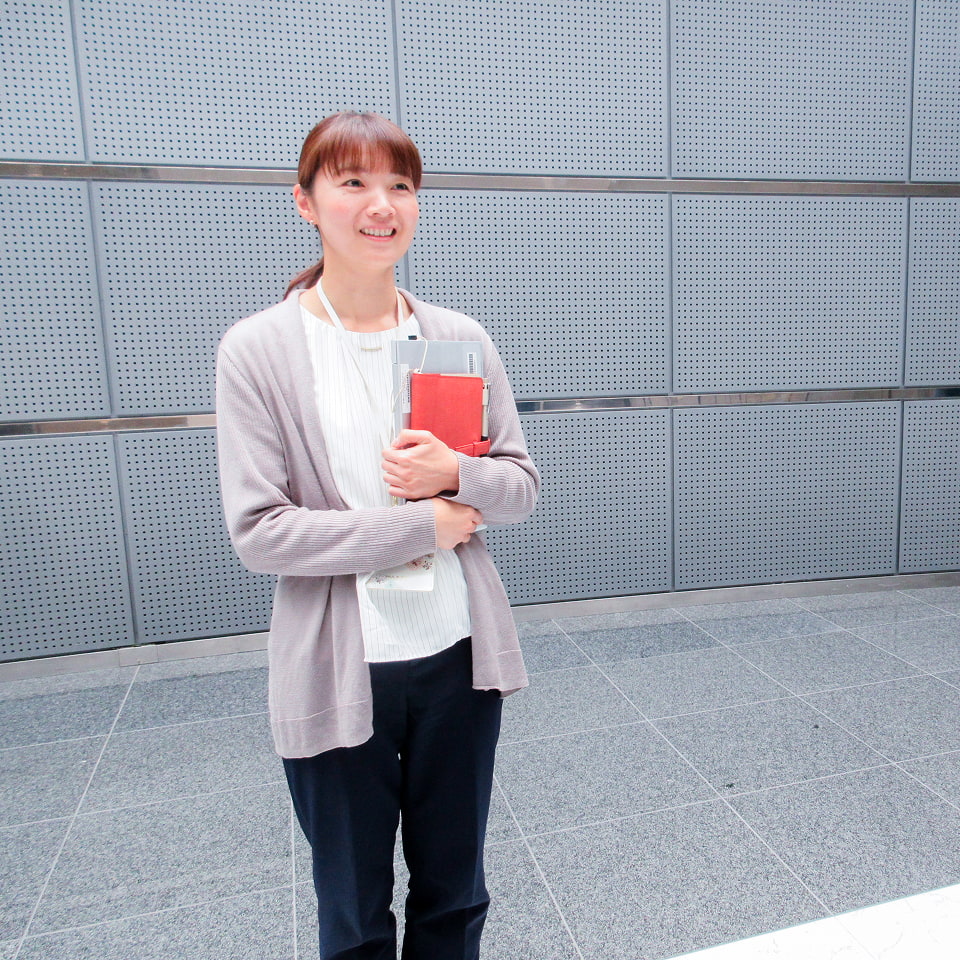
Since my student days, I have been interested in environmental issues like global warming. I wanted to do something that could contribute, which led me to pursue a career in the automotive industry. Among automakers, Nissan’s commitment to its own path with “electric vehicles” stood out. While fuel cell vehicles attracted attention, Nissan continued to challenge new technologies, embodying a DNA of “Daring to do what others don't.” I was especially drawn to their pioneering spirit, such as introducing diesel engines—mainstream in Europe—into Japanese passenger cars early on.
When I started to think seriously about balancing work and family, I was initially concerned about working in the male-dominated automotive industry. However, I learned that Nissan offers a supportive environment, including in-house daycare and initiatives as a diversity management company, allowing me to work with peace of mind while making the most of my career. I was seeking a workplace where I could contribute to environmental sustainability and enjoy flexible work styles, and Nissan was the clear choice.
A Workplace Where Broad Knowledge
and Fresh Ideas Lead to Growth
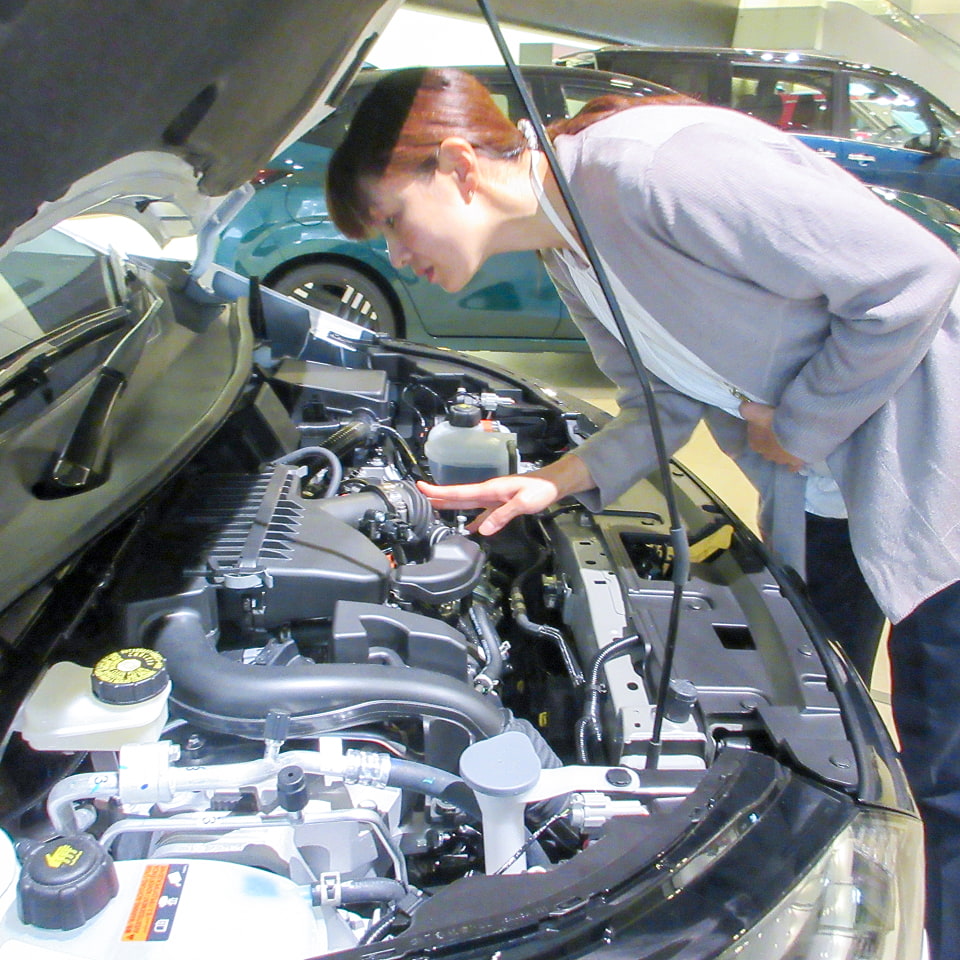
My background includes working on fuel system parts, engine pressure sensors, and exhaust sensors. Currently, I am involved with sensor components for engines and batteries. Since these sensors are purchased from suppliers, my main role is not to determine their shape or structure but to select the most suitable sensors, decide on mounting positions, and optimize their control methods. Based on system requirements for accuracy and function, I choose the best options from supplier lineups and often engage in technical discussions about measurement principles, design concepts, and strengths of different companies-an aspect that allows me to gain a wide range of knowledge.
Additionally, many suppliers work across different industries, such as consumer electronics, which exposes me to new ideas and case examples that I wouldn’t encounter in the automotive sector alone. Especially in EV battery packs, where environmental conditions like water exposure and vibration differ significantly from traditional engines, we face challenges that cannot be addressed with conventional design standards. Developing new standards and tackling these demanding tasks give me a strong sense of purpose every day.
Diversity Enables Flexible Workstyles and the Joy
of Technological Innovation
One of the most attractive aspects of working at Nissan is the deep-rooted culture of “diversity.” Our workplace makes it easy to balance child-rearing and work. A strong “family first” attitude is prevalent, with many male employees taking childcare leave or adjusting their schedules for children’s health or school events—something that is naturally accepted and supported. Thanks to this environment, I can maintain a healthy work-life balance and work with peace of mind.
Beyond parts design, Nissan actively engages in basic technology development, parts strategy, and research on future innovations. Basic research often involves solving issues related to mass production, which provides a strong sense of achievement. In parts strategy and future tech development, we work on advanced, forward-looking projects, and when these technologies are incorporated into mass-produced vehicles, it’s a great joy as an engineer. Nissan’s unique strength is that we develop our own control systems internally, rather than purchasing them externally, and select parts that match these systems—this makes our technical development all the more rewarding.
The Moment Our Visions for the Future Align
― Corporate Strategy and Personal Ambition
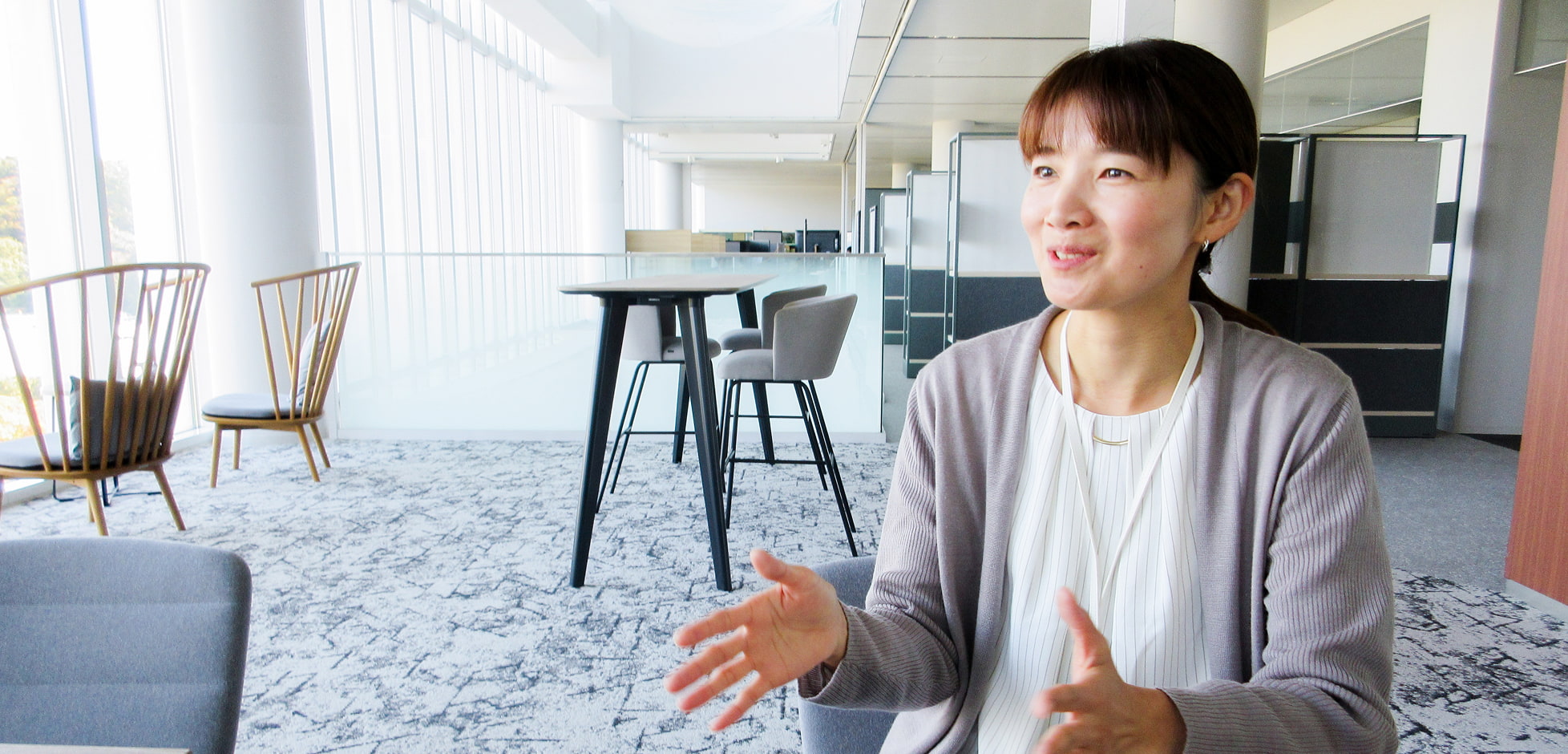
Seeing the effects of climate change has strengthened my desire to develop environmentally friendly cars. Nissan’s long-term vision, “Nissan Ambition 2030,” aligns perfectly with my goals, and I want to contribute to the widespread adoption of zero-emission electric vehicles. However, promoting EVs involves not only infrastructure development but also addressing challenges related to driving range and vehicle cost. Increasing range requires large-capacity batteries and high-precision parts, which makes balancing performance and cost difficult.
Battery technology is still relatively new and less refined than engines, so companies are exploring many different approaches. This means I often need to think outside my previous experience, which is challenging but also offers many opportunities for new challenges. Nissan fosters an environment that encourages embracing new technologies, and I look forward to applying the skills I’ve developed in engine technology to these new frontiers. I want to enjoy these challenges and contribute to the production of high-quality, environmentally friendly cars.

